UC Berkeley's DRIVE AI: Forging Collaborative Research and Future Mobility Standards
The dawn of connected and automated mobility promises a transformative shift in how we move, interact with our environments, and manage transportation systems. Yet, realizing this future demands more than just groundbreaking vehicle technology; it requires a robust ecosystem of infrastructure, data protocols, operational guidelines, and a skilled workforce. This is precisely where UC Berkeley's DRIVE AI Industry Consortium steps in, acting as a pivotal pre-competitive platform dedicated to testing, validating, and deploying safety-critical autonomous technologies through unparalleled collaboration. At its core, DRIVE AI is instrumental in shaping the emerging drive ai standards that will govern this new era of transportation.
Far from merely focusing on individual vehicles, DRIVE AI adopts a holistic, system-level approach. It brings together leading minds from industry, government, and academia to collectively tackle the monumental challenges of deploying advanced mobility technologies at scale. This collaborative model is critical, as the journey from research to real-world deployment is fraught with complexities ranging from fragmented infrastructure to a lack of clear operational expectations and limited access to realistic testing environments. DRIVE AI's mission is to close these gaps, ensuring that innovation translates into safe, effective, and standardized real-world applications.
Bridging the Deployment Gap: The Strategic Vision of DRIVE AI
The innovation in automation, electrification, and artificial intelligence is undeniable, accelerating at an unprecedented pace. However, the path to widespread deployment remains constrained by several significant hurdles. We currently face a landscape characterized by inconsistent infrastructure, ambiguous operational requirements for autonomous systems, critical workforce skill gaps, and a scarcity of environments suitable for comprehensive real-world testing. These constraints not only hinder progress but also introduce considerable risks to public safety and operational efficiency.
DRIVE AI was conceived precisely to address these fundamental issues. Its strategic vision is to align applied research, shared infrastructure, and workforce development directly with the practical realities and timelines of public-sector operations. By fostering a neutral, pre-competitive environment, the consortium empowers member companies to engage early in the development process, significantly reducing their deployment risks. More importantly, it provides a unique opportunity for these stakeholders to actively shape the frameworks and ultimately, the drive ai standards that will guide future implementation across corridors and regions. This proactive engagement is crucial for creating cohesive, interoperable systems rather than a patchwork of isolated solutions.
For organizations navigating the complex landscape of AV deployment, engaging with platforms like DRIVE AI offers an unparalleled opportunity to influence the very foundations of future mobility. It's about collective problem-solving that benefits all players, accelerating the entire industry's progress. To learn more about how this consortium is actively shaping the future, explore DRIVE AI: Shaping Autonomous Mobility Standards and Deployment.
Collaborative Research Thrusts: Informing Robust DRIVE AI Standards
The effectiveness of future mobility hinges on the establishment of clear, comprehensive, and widely accepted drive ai standards. DRIVE AI's research agenda is meticulously structured to address the operational and infrastructure challenges that define real-world deployment, thereby directly informing the development of these crucial standards. The consortium's core research thrusts include:
- Connected and Cooperative Infrastructure: This involves developing protocols and technologies that allow vehicles to communicate seamlessly with road infrastructure and with each other (V2X). Standardizing these communication methods is paramount for enhancing safety, optimizing traffic flow, and enabling advanced autonomous functions.
- Digital Twins for Safety Analysis and Operational Planning: Creating high-fidelity virtual replicas of real-world environments allows for rigorous testing, simulation, and validation of autonomous systems under a multitude of scenarios. This research directly contributes to standardizing safety assessment methodologies and operational best practices.
- Work Zone and Emergency Response Coordination: Autonomous vehicles must be able to safely and efficiently navigate dynamic environments such as work zones and interact appropriately with emergency vehicles. Research here focuses on standardizing communication protocols and operational procedures for these critical scenarios.
- Infrastructure Sensing and Data Integration: Developing technologies to sense and interpret real-time data from infrastructure is vital for providing autonomous vehicles with a comprehensive understanding of their surroundings. This involves standardizing data formats, sharing mechanisms, and sensor deployment strategies.
- Deployment-Ready Automation Frameworks: This thrust focuses on developing practical, scalable frameworks for integrating autonomous systems into existing transportation networks. These frameworks are essentially the precursors to formal drive ai standards, outlining technical specifications, performance metrics, and operational guidelines that can be adopted industry-wide.
These focus areas are not developed in isolation; they are collaboratively shaped with industry and public-sector partners. This ensures that the applied research remains firmly grounded in implementation realities and that the resulting insights and frameworks are transferable across diverse corridors and regions. By doing so, DRIVE AI cultivates a pragmatic approach to AI governance within the mobility sector, bridging the gap between theoretical alignment research and practical, deployable solutions.
From Richmond Field Station to Real-World Impact
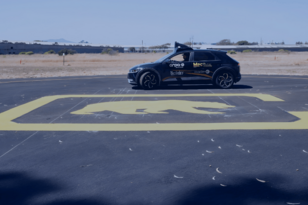
The practical application of DRIVE AI's research is greatly facilitated by its physical home: the Richmond Field Station (RFS). Located just six miles from UC Berkeley’s main campus, this expansive 175-acre applied research campus is a living laboratory for connected, electrified, and autonomous systems. RFS offers a unique array of facilities, including an AV test track, dedicated V2X corridors, drone testing zones, and advanced charging and microgrid infrastructure. This provides an unparalleled real-world test environment where emerging technologies and proposed drive ai standards can be rigorously evaluated.
The ability to test in a controlled yet realistic environment like RFS is invaluable. It allows members to validate new concepts, refine algorithms, and assess the performance of their systems under various conditions before wider deployment. This hands-on validation process is instrumental in demonstrating the safety and reliability required for widespread public adoption. Furthermore, the early engagement with evolving deployment frameworks, operational standards, and roadmaps provides members with crucial insights that help inform product strategy and mitigate downstream risks. This proactive approach to standard-setting is a cornerstone of responsible AI development in critical applications like autonomous mobility.
The consortium's design is geared towards reducing deployment risk, accelerating learning, and providing early insight into the technical, operational, and workforce conditions that will define the future of connected and automated mobility. Its impact goes beyond individual companies, fostering an ecosystem that drives collective progress toward a safer, more efficient transportation future. For a deeper look at how DRIVE AI is specifically addressing deployment challenges, consider reading Closing the Gap: How DRIVE AI Accelerates Real-World AV Deployment.
Conclusion
UC Berkeley's DRIVE AI Industry Consortium stands as a beacon for the collaborative development of future mobility. By meticulously addressing the system-level challenges of scaled autonomous deployment, from infrastructure and data to operations and workforce, DRIVE AI is not just advancing technology; it is actively shaping the essential drive ai standards that will underpin a safe and effective autonomous future. Through its unique pre-competitive model, robust research thrusts, and the invaluable testing ground of the Richmond Field Station, the consortium is paving the way for a transportation revolution grounded in collaboration, innovation, and responsible implementation. Its work ensures that as autonomous technology evolves, so too do the frameworks and standards necessary to integrate it seamlessly and safely into our daily lives.